Germany Makes Standardized E-Waste Return Symbol Mandatory
Since 1 July 2026, German retailers and collection points must display one standardized symbol marking where old electrical appliances can be returned.
By CHA News Desk · Updated 25 July 2026
Researched and drafted with AI language-model assistance from cited public sources, per our AI-content disclosure.
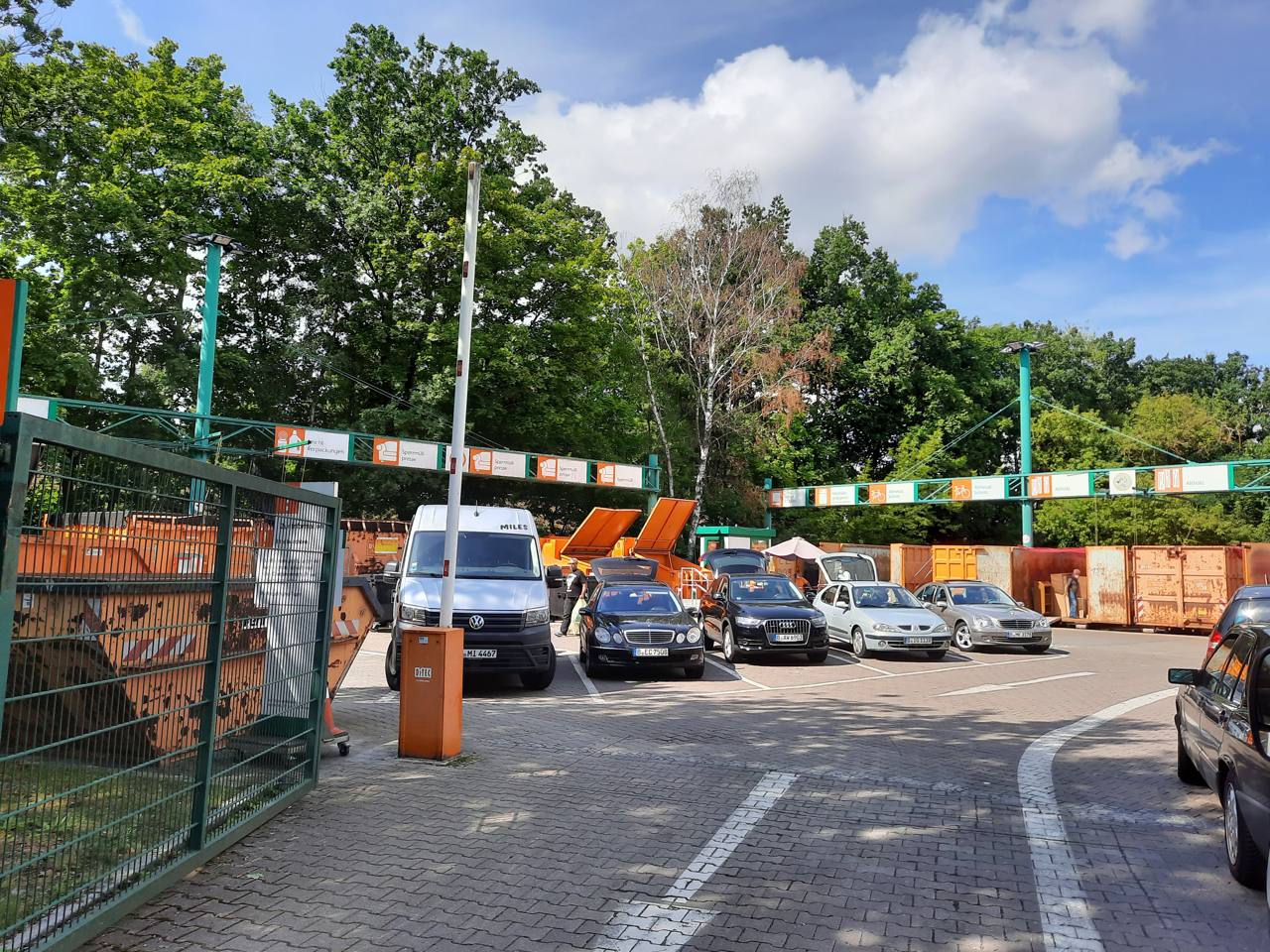
Since 1 July 2026, every physical electronics retailer, every online retailer with at least 400 square metres of storage or shipping space, and every municipal recycling point in Germany has been required to display one standardized symbol marking where old electrical and electronic devices can be handed in. The obligation comes from the fourth amendment to the Elektro- und Elektronikgerätegesetz (ElektroG4), Germany’s WEEE take-back law, and it is no longer optional or phased in. As of this month it applies nationwide, with no transition period left.
The Bundestag passed ElektroG4 on 6 November 2025, the Bundesrat approved it on 25 November 2025, and it was published in the Bundesgesetzblatt, the Federal Law Gazette, on 27 November 2025 (Teil I, Nr. 286). The marking requirement itself took effect on 1 January 2026, but the law gave collection points until 30 June 2026 to comply before enforcement became strict. That window has now closed.
What exactly must display the new symbol?
The new symbol, labelled “Elektrogeräte Rücknahme” (electronic devices return), comes with defined specifications for color and design so that it looks identical at every location in Germany, rather than each retailer or municipality using its own signage. The obligation covers physical retailers at store entrances or dedicated collection areas, online retailers above the 400-square-metre storage or shipping threshold, municipal collection points such as Wertstoffhöfe and Recyclinghöfe, and other officially designated return points. Retailers and collection points that fail to display the symbol correctly can be fined.
Why did this take until mid-2026 to become mandatory?
ElektroG4 built in a six-month runway between the 1 January 2026 effective date and the 1 July 2026 enforcement deadline, giving retailers and municipalities time to source and install compliant signage before facing penalties. That is why this is not a same-week change: the rule has technically applied since the start of the year, but nationwide compliance only became mandatory a few weeks ago.
What else changed in the same amendment?
A separate provision in ElektroG4 affects how municipal collection points handle device categories 2, 3, and 5, which include battery-operated devices. Trained personnel at these sites must now sort these categories out specifically rather than lumping them in with general electrical waste, reflecting the added handling and fire-risk considerations that battery-containing devices carry.
Why does this matter for home appliances?
ElektroG covers household electrical and electronic equipment broadly. Washing machines, dishwashers, refrigerators, coffee machines, and small appliances like toasters all count as Elektro-Altgeräte, old electrical devices, once a household is ready to dispose of them. Stiftung EAR, the government-mandated foundation that operates Germany’s national WEEE take-back register, stated the purpose plainly: consumers should be able to see at a glance where they can return old electrical devices. For anyone replacing a refrigerator, washing machine, or dishwasher, that means the old unit no longer has to be a guessing game about which store or Wertstoffhof will actually take it back.
This is a disposal rule, distinct from the EU’s repair-focused rules already in force for these same categories, such as the ecodesign spare-parts requirements for washing machines and dishwashers that have applied since 2021. ElektroG4 governs what happens once an appliance reaches end of life, not how long it stays repairable while still in use.
The practical takeaway for a shopper replacing an old appliance: look for the standardized “Elektrogeräte Rücknahme” symbol at a retailer’s entrance or collection area, or confirm that an online retailer meets the size threshold, before assuming an old unit has to go in general waste. Municipal Wertstoffhöfe remain a reliable fallback and are now required to carry the same signage.
Related categories
Frequently asked questions
Since when must the new e-waste return symbol be displayed in Germany? +
The marking obligation took effect on 1 January 2026, with a transition period running through 30 June 2026. As of 1 July 2026, display of the standardized symbol is mandatory nationwide with no further grace period.
Who has to display the symbol? +
Physical retailers at store entrances or collection areas, online retailers with at least 400 square metres of storage or shipping space, municipal collection points (Wertstoffhöfe or Recyclinghöfe), and other official return points for electrical and electronic waste.
Is this the same as the EU's right-to-repair rules? +
No. ElektroG4's marking rule governs where and how old appliances are collected for disposal and recycling. The EU's right-to-repair directive and ecodesign spare-parts rules govern repairing appliances that are still in use. They are separate legal tracks that both affect appliance ownership in Germany.
Sources
More news